
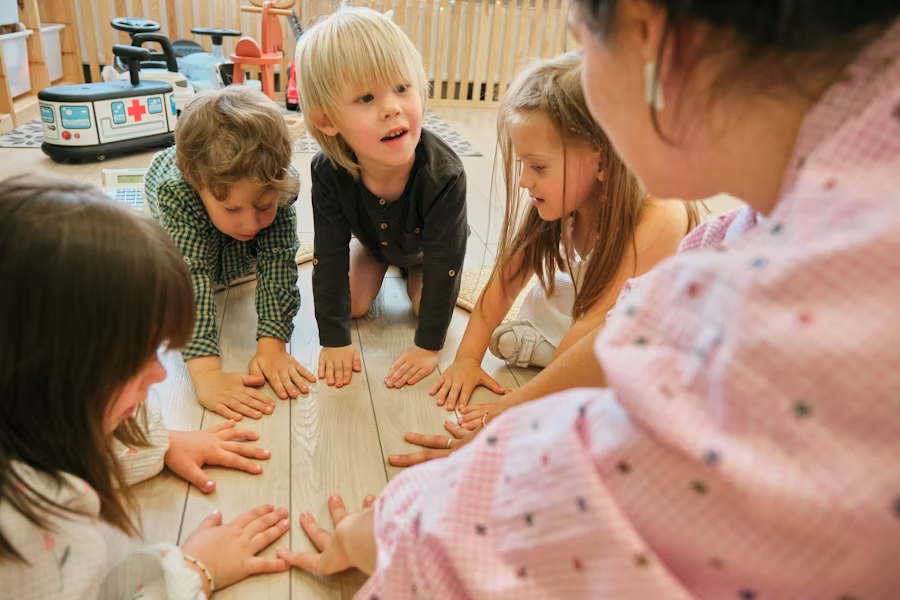
When children enter preschool, they begin exploring friendships, empathy, and communication in new ways. While school provides a structured environment for learning these skills, playdates offer a valuable extension of that growth beyond the classroom walls. These informal gatherings encourage children to build confidence, strengthen social bonds, and learn essential life lessons in a relaxed, playful setting.
Playdates are more than just an opportunity to share toys or snacks—they are the building blocks of social development. In smaller, familiar groups, children can practice taking turns, solving conflicts, and expressing emotions in real time. They begin to understand that friendships are about cooperation, respect, and kindness—skills that form the foundation for healthy relationships throughout life.
Why Playdates Matter for Social Development
Outside the classroom, children experience freedom to express themselves without the structure of a daily school routine. This freedom nurtures creativity and independence, allowing them to discover how to engage with peers on their own terms. Playdates can also strengthen emotional resilience, as children learn to adapt to different personalities, environments, and expectations.
Here are a few key benefits that make playdates a powerful part of early childhood social growth:
- Building Communication Skills: Through conversation and role play, children learn to listen, respond, and articulate their thoughts clearly.
- Learning Cooperation and Patience: Shared activities, from building blocks to art projects, teach children to wait their turn and appreciate teamwork.
- Developing Empathy and Emotional Awareness: When disagreements arise, playdates become a gentle way to practice empathy and understand others’ feelings.
These experiences give children a sense of autonomy and belonging, helping them feel more confident when navigating larger group settings, such as classrooms or community events.
Creating Meaningful Playdate Experiences
Parents and caregivers play a vital role in guiding children through these social experiences. Setting up thoughtful playdates doesn’t have to be complicated—it simply requires an understanding of each child’s comfort level and interests. For younger children, shorter and more structured activities, like a craft session or sandbox play, work best. As children grow, unstructured time can encourage creativity and self-direction.
It’s also important to model positive social behaviors during playdates. Encourage sharing, polite language, and inclusive play. If conflicts occur (as they naturally will), resist the urge to intervene immediately—give children the chance to problem-solve together. Gentle guidance afterward helps them reflect on what they learned and how they might respond differently next time.
Encouraging Connection Beyond the Classroom
Playdates help bridge the gap between school life and family life. They allow children to see their friends in new settings, deepening their understanding of others’ backgrounds and routines. Parents, too, benefit by forming connections with other families—building a supportive community around shared experiences in early childhood.
The lessons children learn through these interactions—cooperation, communication, and compassion—extend far beyond preschool. By making time for meaningful, play-based connections, families can nurture the social and emotional foundations that help children grow into confident, empathetic individuals ready to take on the world.